
The Home as Identity and Possession
The War of the RosesThis thread follows the house and its contents as extensions of personal identity, making the property dispute a struggle over who each spouse believes themselves to be.
increasing Bearing strength in each event
 decreasing
Bearing strength in each eventdecreasingA House Made by Two
A House Made by Two
Labor Embodied in Rooms
Oliver Rose and Barbara Rose restore the home together, shaping its rooms around their tastes, collections, and ambitions. Each improvement records decisions made across years of marriage.
Identity Through Environment
The house becomes a visible account of the life the couple has made. Its importance grows beyond market value because both spouses see their own labor and imagined future inside it.
The House as a Fortress
The House as a Fortress
Protection Against Uncertainty
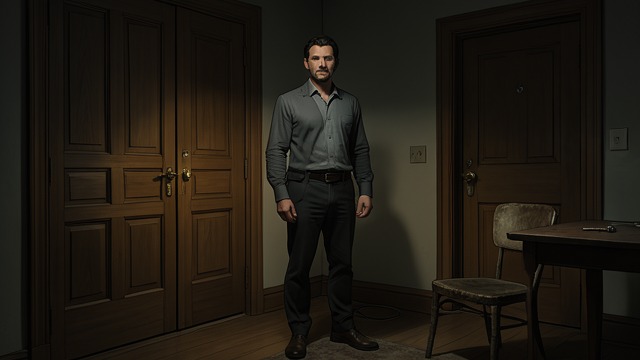
Oliver Rose thinks of the home as a defense against the terrors of life. Its familiar objects and routines promise continuity after Barbara Rose rejects the marriage.
Security Turns Possessive
The fortress metaphor makes departure feel like a defeat. Oliver Rose clings to the house not only because it is valuable but because surrender would challenge the identity he has built inside it.
Barbara’s Claim of Compensation
Barbara’s Claim of Compensation
Years Made Visible
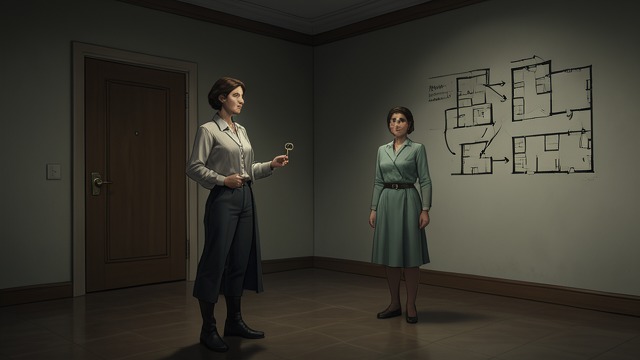
Barbara Rose argues that she gave years to Oliver Rose’s career, the children, and the home. She believes keeping the property recognizes contributions that cannot be replaced by future earnings.
Autonomy Bound to Possession
Her demand challenges the assumption that the house belongs most to the higher earner. At the same time, her desired independence becomes dependent on retaining the domestic status and setting of the marriage.
The House Becomes a Weapon
The House Becomes a Weapon
Knowledge Turned Against the Other
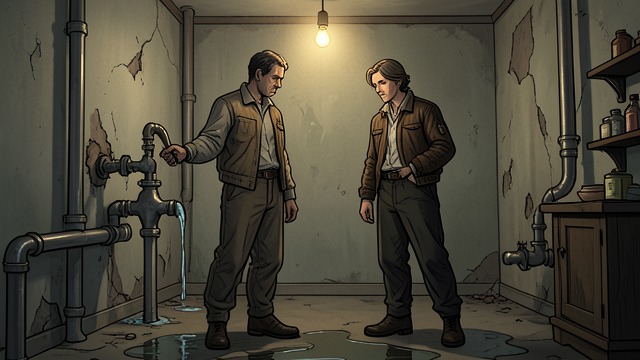
Oliver Rose and Barbara Rose use their knowledge of the house’s systems, furniture, and rooms to create hazards. The same familiarity that once supported teamwork now enables sabotage.
A Shared World Made Hostile
The home no longer protects either spouse from danger. Their struggle over belonging makes the structure itself an instrument of control and confinement.
The Fortress Falls
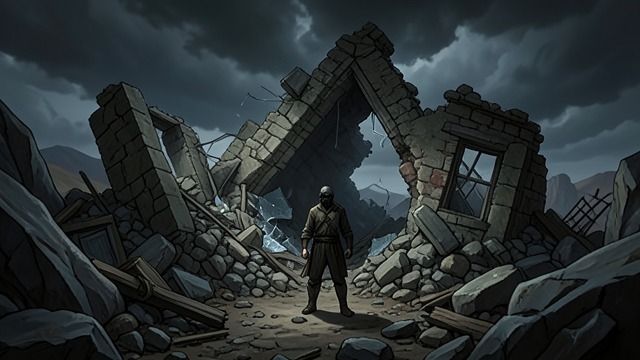
The Fortress Falls
A Symbol Cannot Protect
The home collapses as its weakened interior gives way. Its role as a fortress ends in the most literal way, exposing the failure of possessions to guarantee safety.
Ownership Loses Meaning
Oliver Rose and Barbara Rose die before either can secure the property. The collapse challenges the idea that a house can preserve identity when the relationships that gave it meaning have been destroyed.
During the years of renovation before the separation
After Oliver Rose realizes the marriage is ending
During negotiations over the final settlement
During the later months of the cohabitation
At the climax, when the house collapses
